
/ THE CHALLENGE /
Your kid is probably going to fail
Look.
Most young athletes are going to fail. This isn't some cheap hook to grab your attention as a parent or coach, it’s just the math: 99% of those who dream of turning pro and make a living will never make it, and over 90% of young athletes chasing a US sports scholarship will end up left behind.
Why? Because almost everyone trains exactly the same way. And in this way, how they going to stand out in the crowd?
The majority never look beyond traditional physical and technical training. If you realize this, you're a lucky parent or coach.
The moment your kid starts training what the rest ignore, they completely separate themselves from the pack. They gain a competitive edge that other athletes won't even understand.
/ THE SOLUTION /
2.The Inner Regulation
Elite performance has engineered the body to its near-limits.
The future belongs to those who treat the brain and the nervous system not as a separate entities, but as the master software commanding the physical hardware.
Young athletes who can process faster, adapt quicker, maintain mental clarity and make better decisions under stress are the ones who will dominate. Neuroperformance is the present and the future of nextgen and elite performance.
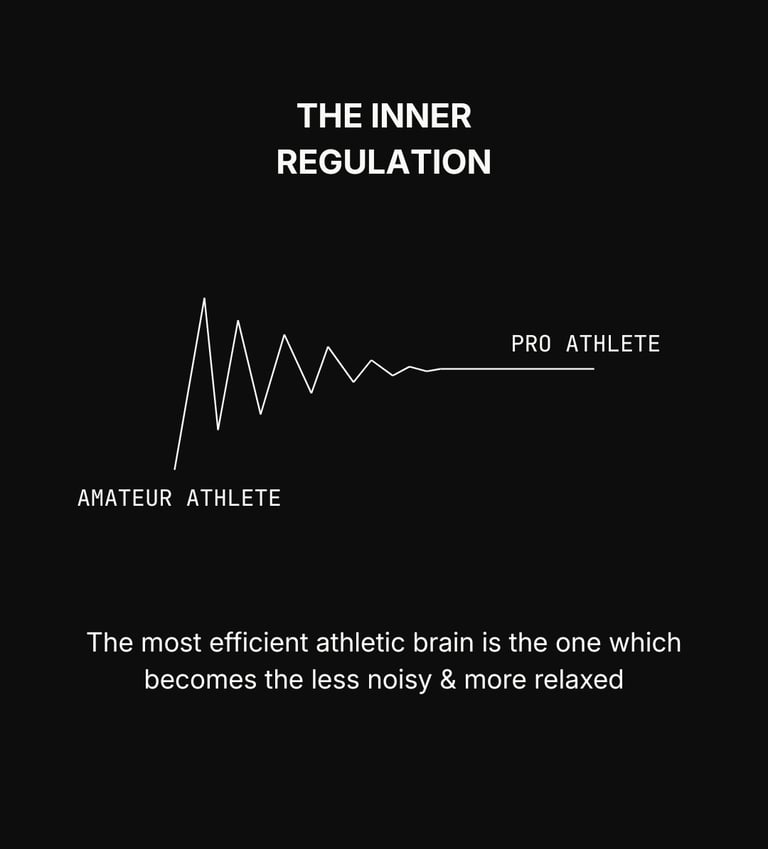
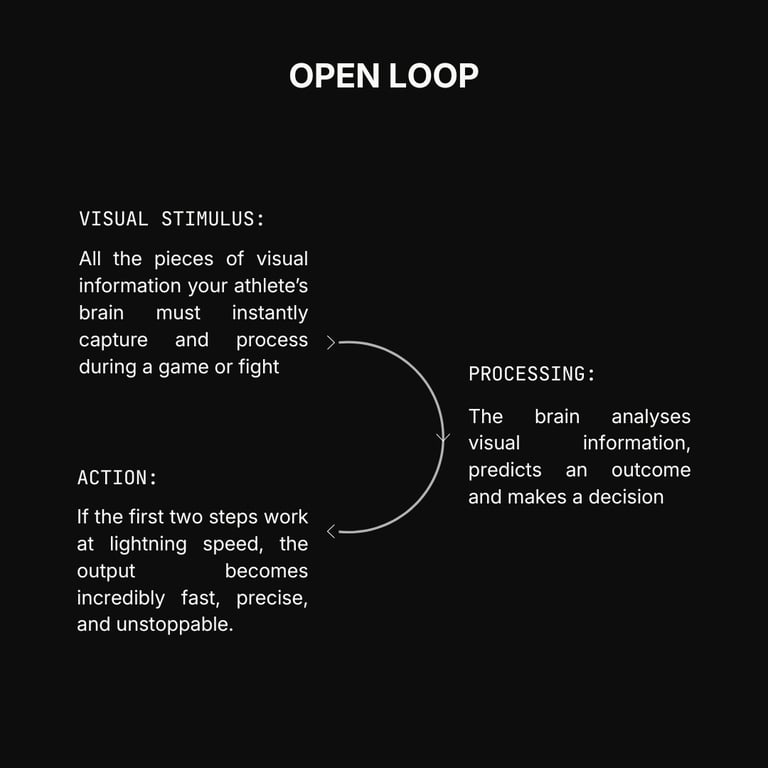
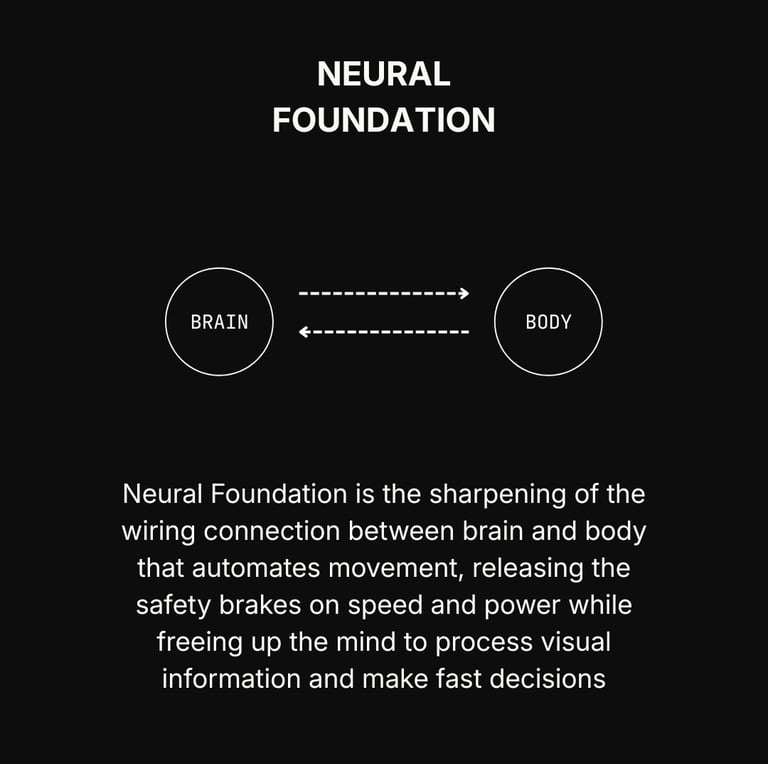
To build the best Athletic Brain they can have, they need to develop the Neural Foundation & the Open Loop.
1.The Athletic Brain
Listen.
The Athletic Brain is not enough. It doesn't matter how fast or how well their brain performs during training. If they can't bring that same level of performance to the big stage because of systemic burnout, self-doubt, an uncontrollable fear of failure, and pre-competition anxiety, all their training is a waste of time.
That is why mind training and nervous system regulation—through breathwork, visualization, meditation, and inner reflection—are absolute non-negotiables.
Even Tom Brady, the greatest quarterback in history, said he was able to stand out from the crowd because of his unique ability to perform under extreme stress on the biggest stage.
THE 90 DAY ATHLETIC BRAIN
/ OUR PROGRAM /
Neuroperformance
Emotional & nervous system regulation
Cognitive Endurance
Tests included in the program
Visual test with a professional optometrist
Cognitive test with us
Breathing efficiency test with us
In simple terms this is what we do for them in our 90 day Athletic Brain porgram
Phase 1
Build the Neural Foundation
DAY 1 - 30
After a month we know the athlete better. We adapt the training to their specific athletic discipline.
We level up the complexity of their training.
They quickly see improvements in their focus, visual skills, mental speed, decision-making, and emotional and nervous system regulation.
Phase 2
Build the Unstoppable Brain
DAY 30 - 90
We do some tests to assess their visual, cognitive and mental skills.
We build a neuroperformance and mental routine that fits into their schedule.
They build a good neural and emotional foundation for Phase 2.
From "I need to perform better" to "I am twice the athlete I was" in 2 phases.
Build a brain that stays sharp when the body is exhausted.
Visual and neurocognitive training to sharpen reaction time, processing speed and decision making, even when things get tough and chaotic.
Meditation, breathwork, visualization and inner reflection protocols to improve sleep & recovery, avoid burn out, manage stress and anxiety, and build the qualities of a resilient and thriving athlete
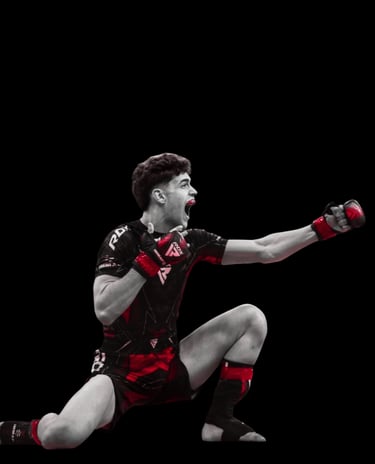
"I wasn't sold on visual and neurocognitive training at first. But now I feel much sharper. I’m more dialed in during chaotic exchanges and it's easier to react to feints or level changes. Even when I’m fatigued at the end of a session, I’m still making smart decisions."
- ADRIANO CAMILLO / IMMAF World Championship Silver Medalist & Spanish national team athlete
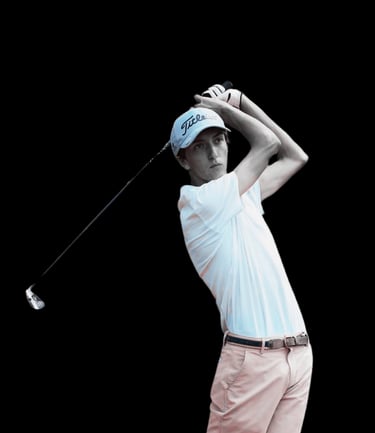
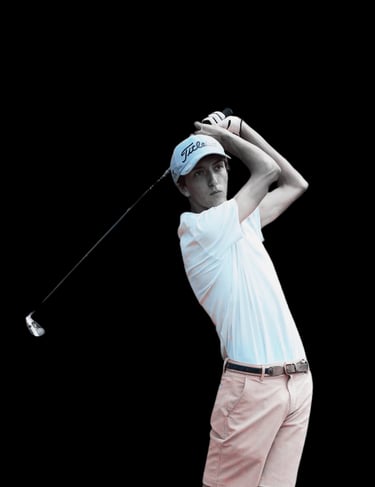
"Implementing this method made me feel more connected than ever, helping me become more precise and consistent when striking the ball. At the Catalonia Senior Championship, I finished in fourth place, even though I was only 16."
- ERIC CASADEMONT / NCAA Student-Athlete & former Catalan National Team Golfer
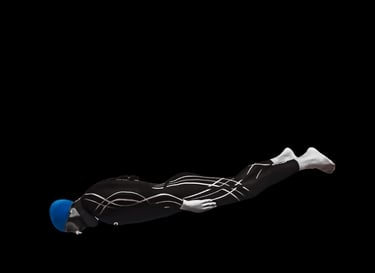
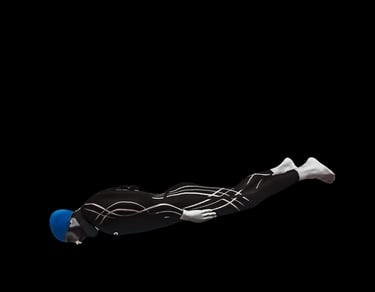
"Freediving is a sport where the mental game is crucial. Thanks to Shingu’s method, I’ve learned to keep my nerves in check, breaking my depth international record and 3 national records. I used to be unable to actually enjoy competing. Now, I do."
- FRAN QUESADA / Member of the Spanish National Team & international athlete
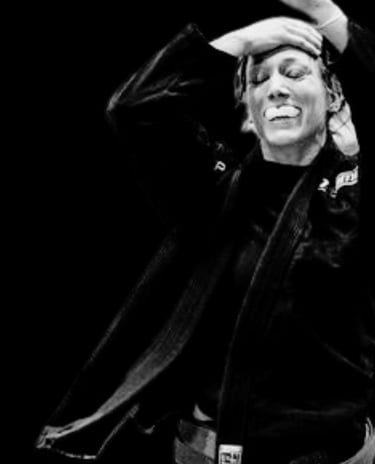
"At the European Championship, I noticed a huge difference in my ability to stay present and not let frustration or fatigue get the best of me in key moments."
-BARBARA BERGBAUER / 2X IBJJF European Champion
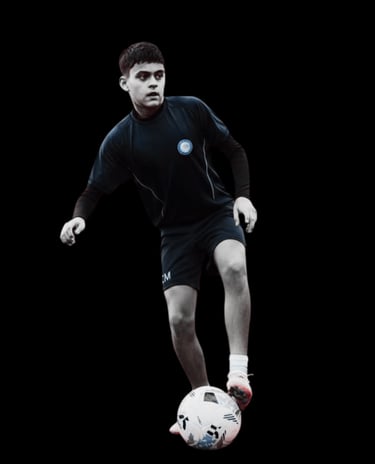
"Before I started visual and cognitive training, I didn’t really know what was happening around me and I used to give the ball away by accident.
Now, my scanning has improved a lot, so it's much harder for defenders to take the ball from me. I can finally dribble with my head up, looking at the game instead of the ball. This helps me keep possession and make much faster decisions.”
-KABIR BAREE / 13-year-old aspiring professional footballer
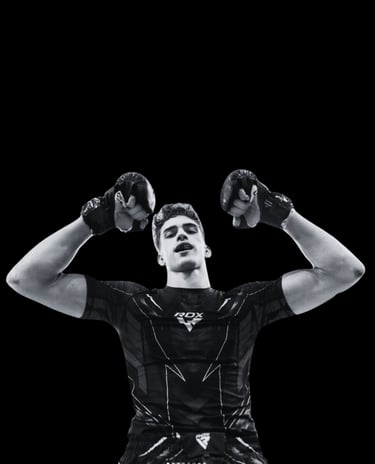
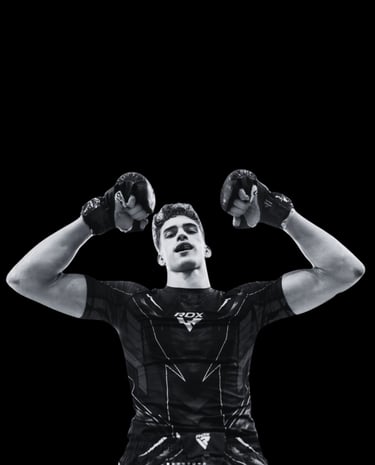
"I used to think meditation wasn't for me—that the gym and the cage were enough. But after a few weeks, I definitely notice a difference. I’m calmer before fights, and my head no longer goes a million miles an hour. It’s even helped my recovery; I’m sleeping much better after heavy sessions. It might not be for everyone, but it’s definitely working for me."
- ADRIANO CAMILLO / IMMAF World Championship Silver Medalist & Spanish national team athlete
ATHLETES WHO PUT THEIR TRUST IN US
/ TESTIMONIALS /
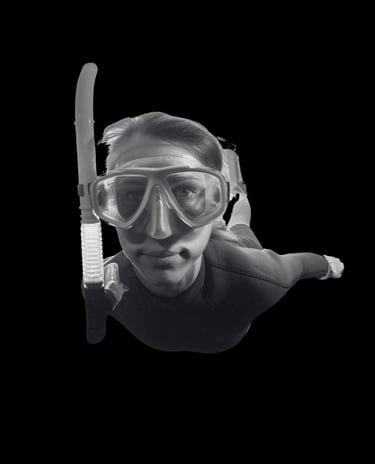
"Kike, I want to thank you for all your help. You have no idea what the support and everything I’ve learned with Shingu Lab has meant to me on a personal level. Today, I stepped onto the mat feeling calmer than ever."
- SANTI / Silver medal in Giland & 2X ADCC silver medal
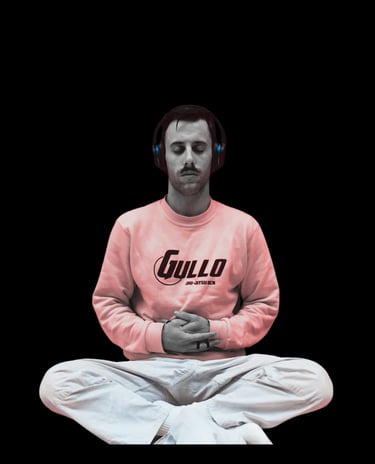
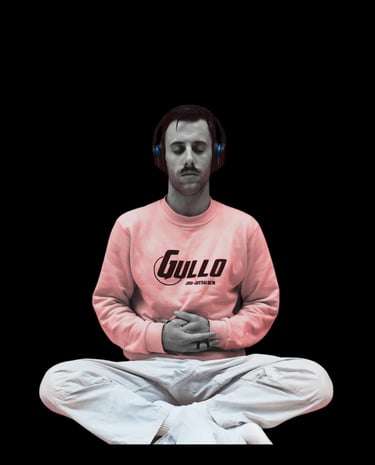
"It was absolutely incredible! It helped me overcome one of my biggest fears about depth, and I even managed to hit a new personal best. It was mind-blowing—just being able to block everything out, stay calm, center myself, and stay completely focused."
- PALOMA BEJARANO / Competing to get a spot in Spanish Freediving National Team
/ WHO IT'S FOR /
READ BEFORE APPLYING
This is for your athlete if
They are in a position to go pro, get scholarship, win nationals, European or World championships, classify for the national team,...
Athletes highly focused on their craft and goals.
Families and athletes with medium-high level income.
Families and athletes with an open mind and available to introduce new training in their program.
Athletes between 12 and 21 years old.



Give this a miss if
X
They have no ambitious goals (go pro, get scholarship, win nationals, European or Worlds,...)
They lack the 'hunger".
Families and athletes who have not enough money to invest.
They have no time to introduce a new training in their program (around 30 minutes a day).
They are under 12 years old.
X
X
X
X
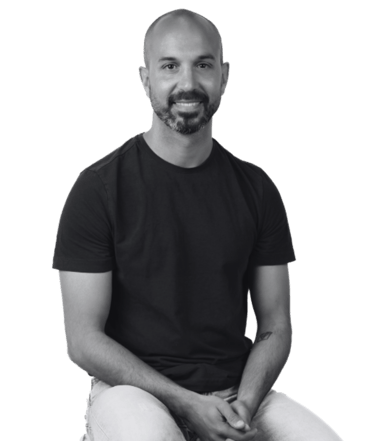
Neuroperformance & Mental Coach.
Martial Artist.
Man on a mission.
Ever since I was a child, I’ve had a deep obsession with martial arts, China, and Japan. Over time, that obsession evolved, drawing me into the worlds of spirituality and mental training.
I’ve been incredibly fortunate in this life. I’ve traveled the world, lived in Asia, and studied and trained under teachers and masters I never in my wildest dreams thought I’d ever meet.
At 32, after a deep depression, I ultimately walked away from my childhood dream of spending the rest of my life living, meditating, and training in martial arts in Shingu, Japan. Instead, I redirected my focus toward helping young athletes achieve their own dreams and goals. I became a man on a mission.
To prepare for this new purpose and bring a scientific foundation to my methodology, I studied and trained in craniosacral osteopathy, neurobiology applied to athletic performance (with the Barça Innovation Hub), visual and neurocognitive training, and nervous and emotional system regulation through a deeper understanding of breathwork, meditation, visualization, and apnea (breath-holding).
My life's path has been shaped by my darkest moments. Trauma from violence and psychological stress that overshadowed my childhood and adolescence. A chronic, degenerative knee injury. That depression at 32. Yet, as hard as it might be to believe, I overcame all of it without the help of medication, doctors or psychologists.
/ WHO IS BEHIND SHINGU LAB /
(C) 2026 Shingu Lab